 Loading...
Synthesis
The connective tissue running through Dornoch News's coverage is community accountability — the belief that local decisions, from a Highland Council planning application to a road closure on the A949, deserve the same careful attention as any larger story, and that readers are best served when reporting is grounded in named sources and official records rather than secondhand rumour or repackaged PR.
Transport and access emerge as a persistent editorial priority. For a small Highland town at the end of a long road north, disruption to the A9 or A949 is not a minor inconvenience but a matter of genuine daily consequence — for commuters, for businesses, for anyone trying to get to Inverness and back before dark in February. Stories touching on road closures, rail connections, or ferry updates therefore carry particular weight and should be treated as high-priority regardless of how routine they might appear on paper.
Governance and community life sit at the other anchor of the editorial compass. Highland Council decisions, Dornoch Area Committee minutes, and the activities of anchor institutions — the Cathedral, Carnegie Hall, Royal Dornoch Golf Club — form the recurring skeleton around which the rest of the publication's schedule is built. These are the stories that give Dornoch News its local authority and distinguish it from anything a visitor might find in a national Scottish title.
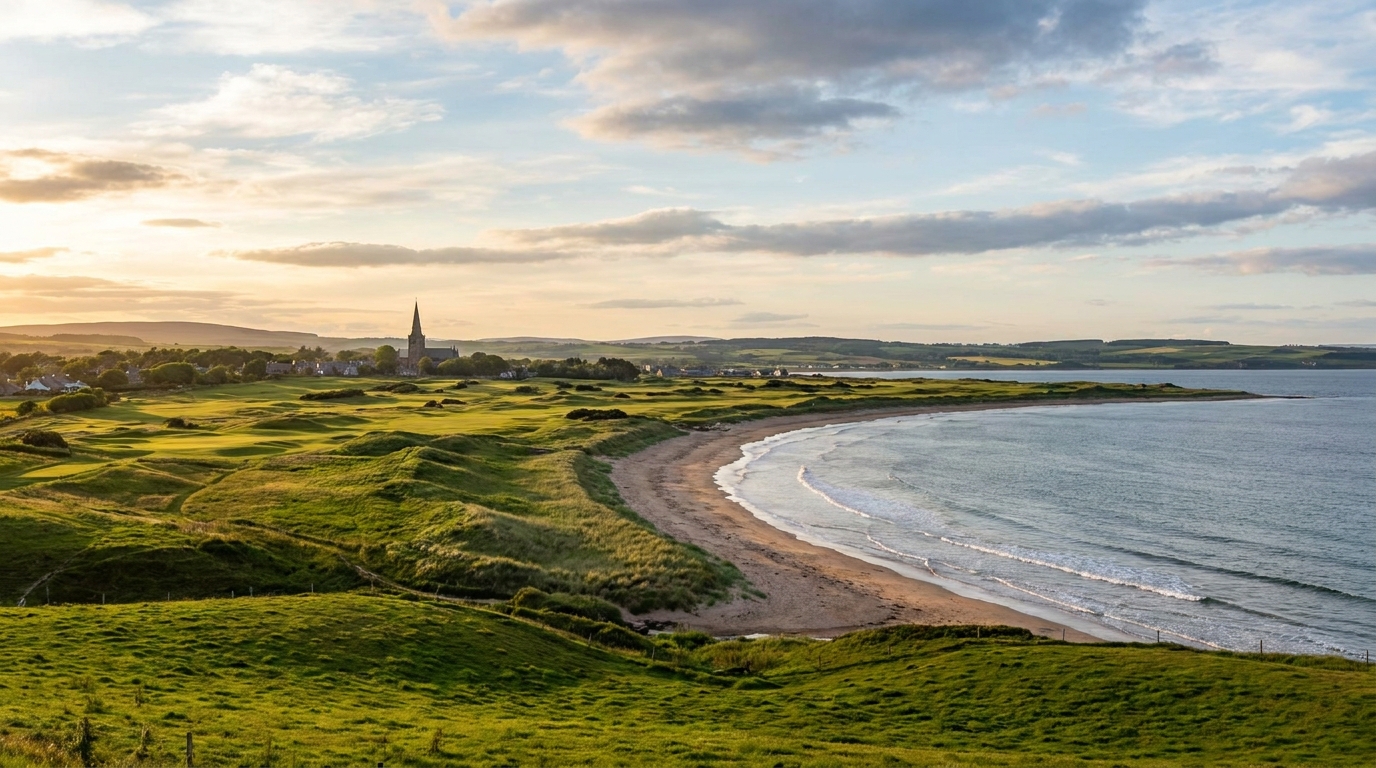
Tourism and the visitor economy provide a third thread, one that connects the resident and expat audiences to the external world. Royal Dornoch draws golfers from across the globe; the Cathedral and the broader Sutherland landscape draw walkers, history enthusiasts, and diaspora Scots retracing family roots. Coverage that serves this audience — event listings, travel context, business openings and closures — also serves the site's growth ambitions, since search traffic from visitors planning north Highland trips represents a meaningful share of potential readership beyond the immediate community.